
Preparing to Move After Selling Your Home: Step-by-Step Guide
- 5 days ago
- 5 min read
Selling your home is a major milestone. The next challenge is getting packed, moved, and settled without last-minute panic. A clear plan makes the process easier to manage.

Start with the tasks that affect your move date
Once the sale is moving toward closing, focus on tasks that can delay or disrupt moving day. Handle these early.
Confirm key dates. Check the closing date, possession date, and final walk-through timing. Do not assume they are all the same day. If the buyer takes possession right after closing, plan to be fully out before then.
Review your purchase or rental plans. If you are moving into another home, match both timelines. If there is a gap, arrange short-term housing or storage.
Gather important documents. Keep these in one folder or tote that travels with you, not in the moving truck:
Closing documents
IDs and passports
Insurance papers
Medical records
School records
Warranties and manuals for items staying with the home
Moving contracts and receipts
Notify the right people. Submit a change of address with USPS. Update banks, insurance providers, subscriptions, employers, schools, and medical offices.
Schedule utility changes. Arrange shutoff or transfer dates for electricity, gas, water, trash, internet, and security systems. Keep utilities on through the final walk-through unless instructed otherwise.
Prepare the house for handoff. Leave keys, garage openers, codes, appliance manuals, and any agreed-upon items in one easy-to-find place.
Declutter before anything goes into a box
Packing items you no longer need wastes time, money, and space. Declutter before you pack.
Work room by room. Set up four clear categories:
Keep
Donate
Sell
Trash or recycle
Start with storage areas first. Basements, garages, attics, and closets often hold the most forgotten items. These spaces take longer than expected.
Use a simple rule. If an item has not been used in over a year and has no real purpose in the next home, let it go. Be practical with bulky items. Old furniture, duplicate tools, and half-used supplies may cost more to move than replace.
For items you plan to sell, set a deadline. If they do not sell by that date, donate them or dispose of them. Do not let “maybe” piles slow down moving week.

Build a moving timeline that works backward
A moving checklist works best when it starts with the move-out date and works backward. Use your closing or possession deadline as the anchor.
Time before move | What to do |
6 to 8 weeks | Get moving quotes, start decluttering, create a room-by-room inventory |
4 to 5 weeks | Book movers or reserve a truck, order packing supplies, start packing nonessentials |
2 to 3 weeks | Transfer utilities, change your address, pack decor and seasonal items |
1 week | Pack most household items, confirm mover or truck details, clean as rooms empty |
1 to 2 days | Pack essentials, defrost freezer if needed, do a final trash run |
Moving day | Walk through each room, photograph empty spaces, leave keys and agreed items |
Keep the checklist visible. A printed copy on the fridge works well. A shared phone note also helps if more than one person is handling tasks.
Add deadlines for each room. For example, pack guest room items by Saturday and garage items by the following Wednesday. Small deadlines make the move feel less overwhelming.
Decide whether to hire movers or rent a truck
Both choices can work. The right one depends on budget, time, distance, and how much heavy lifting you can safely handle.
Hiring movers is often best when:
You have large furniture or stairs
You are moving a long distance
You have limited help
You need the job done quickly
You want less physical strain
Before hiring movers, get written estimates from at least two companies. Ask what is included. Check whether packing, furniture disassembly, fuel, stairs, or bulky items cost extra. Confirm licensing and insurance. Read the contract before you sign.
Renting a truck can make sense when:
You have fewer belongings
You are moving nearby
You have reliable help
You can handle loading and unloading
You want more control over timing
If renting, reserve early. Choose the right truck size. Too small means extra trips. Too large can make loading harder if items shift. Ask about mileage, fuel rules, equipment, and return times.
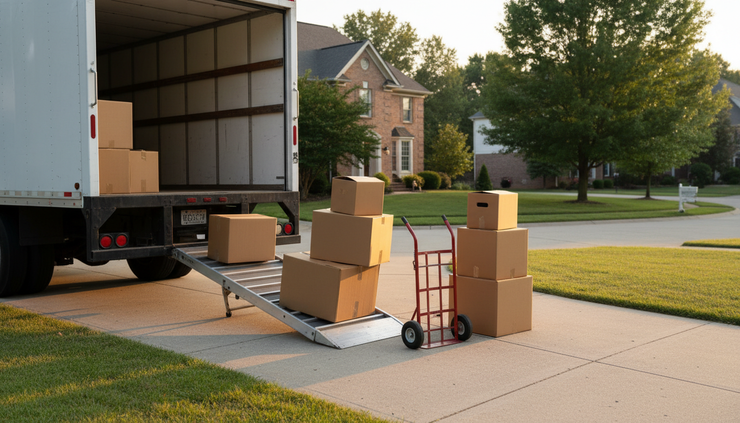
For either option, protect your body. Use dollies, lifting straps, gloves, and furniture pads. Do not rush heavy items.
Pack efficiently and protect what matters
Good packing prevents damage and makes unpacking easier.
Start with items you rarely use. Pack seasonal decor, extra linens, books, and keepsakes first. Leave daily items for last.
Use sturdy boxes. Keep heavy items in small boxes. Books, dishes, tools, and canned goods get heavy fast. Use larger boxes for pillows, bedding, and light items.
Label every box on at least two sides. Include the room and a short contents note. For example, write `Kitchen, everyday plates` or `Primary bedroom, winter clothes`.
Pack an essentials box for the first night. Include:
Toiletries
Medications
Phone chargers
Basic tools
Paper towels
Snacks and bottled water
Pet supplies
A change of clothes
Sheets and towels
Important documents
Protect fragile items with paper, towels, or bubble wrap. Wrap each dish and glass. Fill empty spaces so items do not shift. Mark fragile boxes clearly, but still pack them well enough to survive being stacked or bumped.
Take photos of electronics before unplugging them. It makes setup easier later.
FAQ
How soon should packing start after selling a home?
Start as soon as the sale is under contract, especially with decluttering and storage areas. Save daily-use items for the final week.
What should stay with the house after closing?
Leave anything listed in the sale agreement. This often includes attached fixtures, appliance manuals, keys, remotes, and agreed-upon items. Check your contract.
Should valuables go in the moving truck?
Keep jewelry, cash, personal documents, medications, and small valuables with you. Do not pack them in the truck.
How do I make moving day easier?
Pack early, label well, clear walkways, and keep the essentials box separate. Confirm arrival times with movers or helpers the day before.

Take the next step with a clear plan
A move after selling your home has many parts, but it does not need to feel chaotic. Confirm dates, reduce what you own, build a timeline, choose the right moving option, and pack with care.
If you need help planning your next move after a home sale, contact Miller Realty Group for guidance.


